
When Is It Time to Call a Flooring Pro?
Whether you are a proud DIYer or simply looking to save on labor costs, tackling your own flooring installation can feel rewarding. There is a sense of accomplishment that comes with completing a hands on home project. For some homeowners, it even makes for a productive weekend.
However, there are certain situations where attempting your own installation can lead to costly mistakes, extended timelines, and unnecessary stress. Knowing when to step back and call for professional flooring installation can ultimately save you time, money, and frustration.
Let’s walk through the signs that it may be time to bring in the pros.
1. When the Subfloor Needs More Work Than Expected
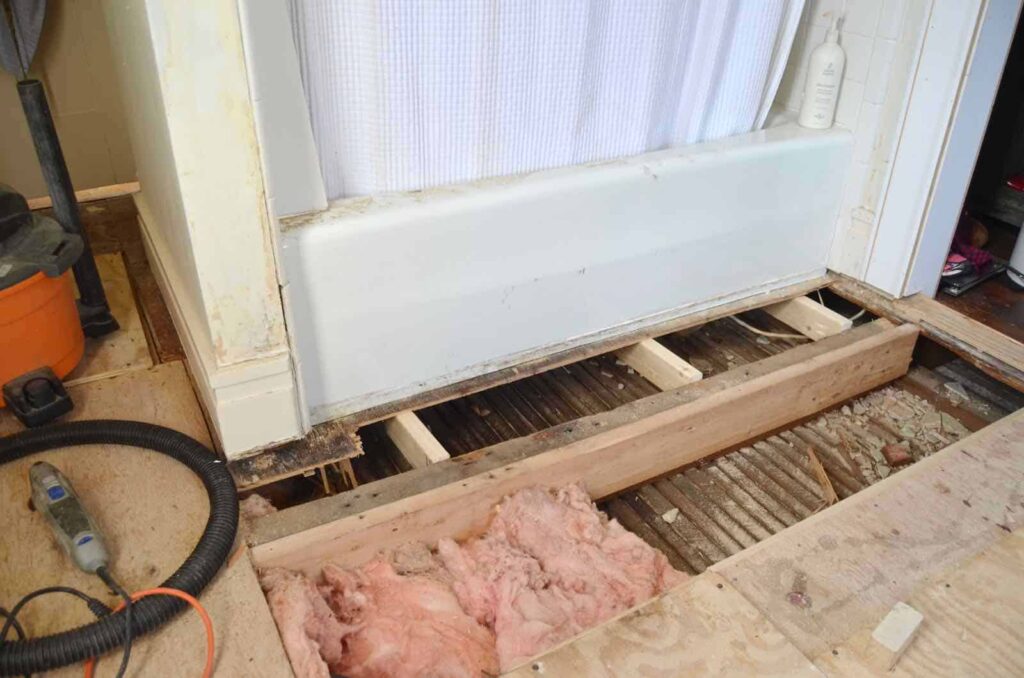
Your flooring is only as strong as what lies beneath it.
If you discover soft spots, squeaks, dips, uneven areas, or signs of moisture damage while prepping the surface, you may be dealing with subfloor complications. Subfloor repair is not just about patching a board. It requires proper leveling, moisture control, structural reinforcement, and manufacturer specification compliance.
A poorly repaired subfloor can cause:
- Uneven flooring
Gaps between planks
Squeaking or flexing
Premature flooring failure
Warranty voids
Professional flooring installers have moisture meters, leveling tools, and structural knowledge to ensure your subfloor meets the proper standards before installation begins.
Bottom line: If your subfloor needs extensive repair or leveling, it is time to call in a professional.
2. When the Installation Method Is Complex
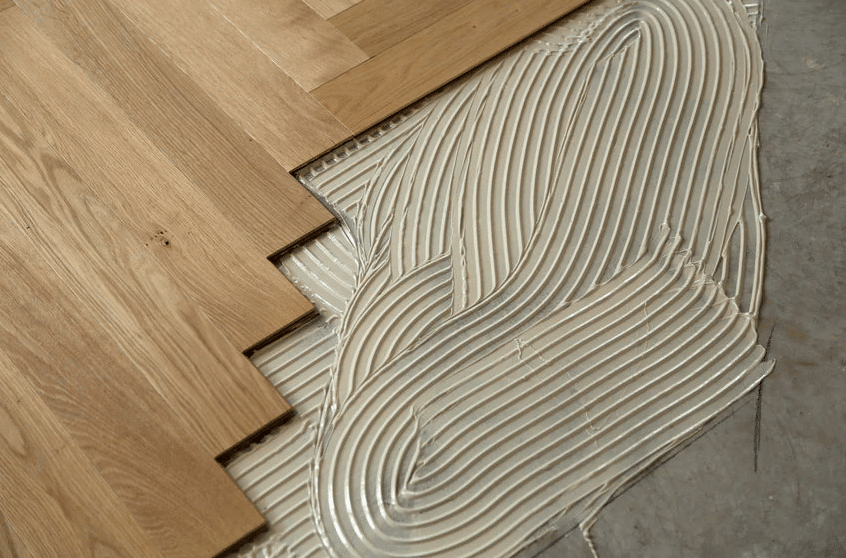
Not all flooring systems are created equal.
While some floating floors are relatively DIY friendly, others require precision, experience, and specialized tools. Glue down hardwood and nail down installations demand consistent pressure, correct fasteners, proper adhesive application, and exact alignment.
Mistakes in these systems can result in:
Warping
Buckling
Adhesive failure
Squeaking
Uneven seams
Professional flooring contractors understand expansion gaps, acclimation periods, adhesive cure times, and fastening patterns. These details may seem small, but they determine whether your floor lasts five years or twenty.
If your flooring project includes glue down hardwood installation or traditional nail down hardwoods, hiring a professional is often the smartest move.
3. When Your Floor Plan Is Not Straightforward
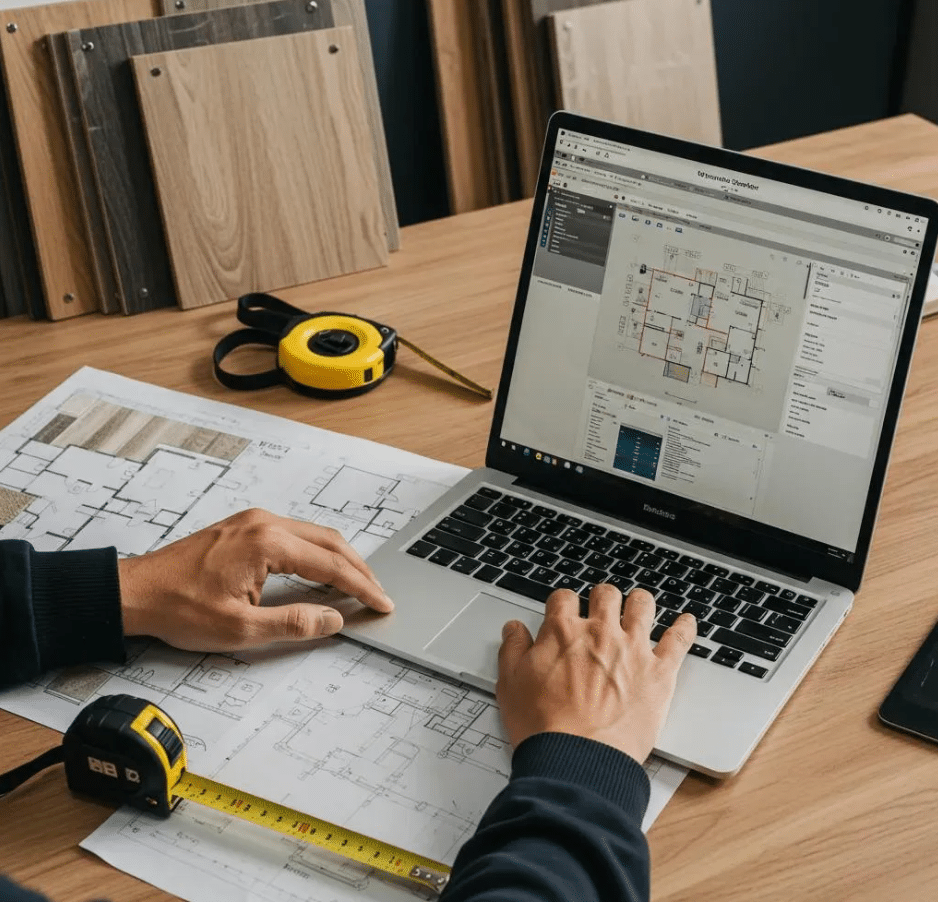
Open concept homes, tight hallways, angled walls, stair transitions, and multiple room connections can quickly turn a simple flooring job into a complex puzzle.
Precise plank alignment across rooms is critical for a seamless finish. Pattern continuity, clean transitions, and accurate cuts require careful planning and professional grade tools.
If your layout looks more like a maze than a rectangle, the margin for error increases dramatically.
A professional flooring installer ensures:
Clean transitions between rooms
Proper stair integration
Seamless plank flow
Accurate cutting around obstacles
Correct trim and molding installation
Avoiding costly measurement errors can easily justify the investment in professional installation.
4. When Time and Precision Matter
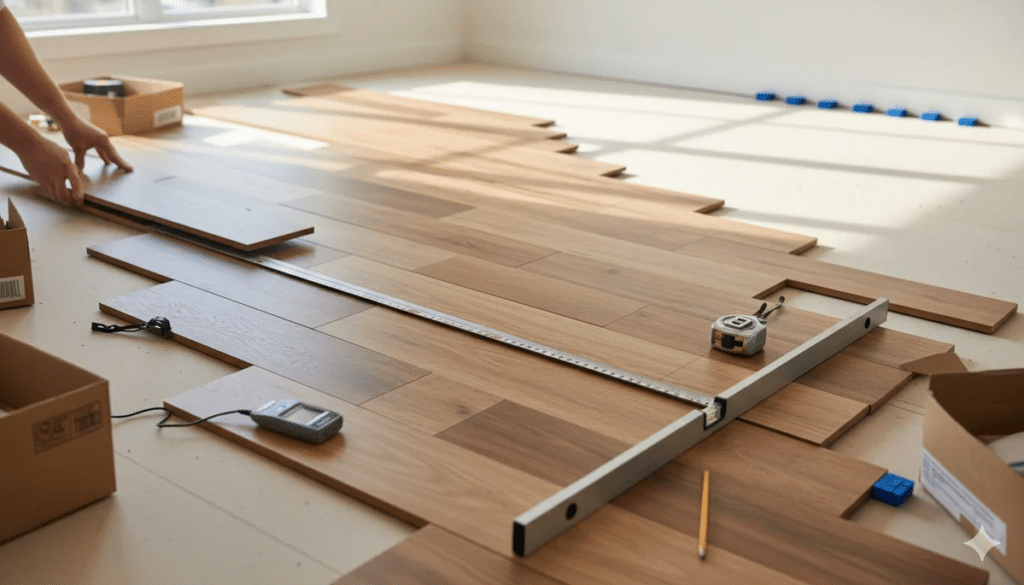
Installing floors involves far more than simply laying planks.
Proper professional flooring installation includes:
Moisture testing
Acclimating materials
Surface preparation
Underlayment placement
Precision cutting
Transition molding installation
If you are on a tight schedule or preparing a home for sale, delays caused by learning curves or installation mistakes can become expensive.
Hiring a professional ensures efficiency and craftsmanship. Your floor not only looks better, but it performs better over time.
5. Professionals Have the Right Tools
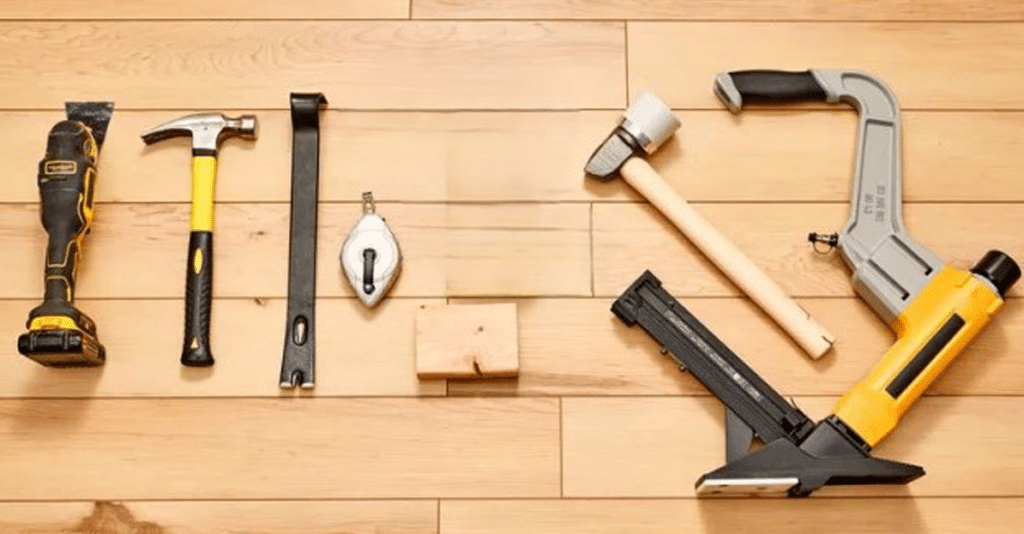
One of the most overlooked aspects of flooring installation is tooling.
Professional flooring contractors invest in:
Flooring nailers and staplers
Moisture meters
Industrial saws
Laser leveling equipment
Adhesive spreaders
Specialized installation kits
In many cases, projects cannot be completed properly without these tools. Renting or purchasing them can quickly eat into any labor savings you hoped to gain from DIY.
Working with a professional means the right tools are already on site, ready to deliver precision results.
DIY Pride Meets Professional Precision
You do not have to choose between full DIY and full service installation.
Many homeowners save money by handling parts of the project themselves such as:
Removing old flooring
Clearing furniture
Prepping materials
Demolition work
Then they bring in a professional flooring installer to complete the technical installation.
This hybrid approach allows you to stay involved while ensuring your finished floor meets the highest standards for appearance, durability, and warranty compliance.
Final Thoughts on Professional Flooring Installation
DIY flooring projects can be incredibly rewarding. But knowing when to call a professional is just as important as knowing how to swing a hammer.
If your project involves:
Subfloor complications
Complex layouts
Glue down or nail down hardwood
Tight deadlines
Specialized tools
Bringing in professionals ensures your investment pays off beautifully in both style and structural integrity.
If you are unsure whether your flooring project is ready for a professional touch, reach out to the team at Board Savvy Flooring. We are here to guide you through your best next steps and make sure your new floor turns out flawless.